By Conn Byrne, Payroc
Even as EV sales in the U.S. have stagnated in recent years, charging networks continue to grow steadily across the country, with more than 3,000 new stations introduced in Q1 of this year alone. While the prevalence and availability of charging stations may be on the rise, declining satisfaction with the overall charging experience persists among EV owners.
According to J.D. Power’s most recent Electric Vehicle Experience Public Charging Study, a significant number of U.S. EV drivers remain frustrated with the charging experience. Fragmented payment systems, unpredictable pricing, and unreliable technology are just some of the factors that have EV drivers longing for the ease and convenience of gas stations.
App chaos is undermining experience and adoption
For many EV owners, the payment experience is too fragmented. Drivers are often required to download and access multiple charging apps across different networks. Some drivers report having to manage five or more apps just to ensure access to chargers.
Each charging network requires a separate account, with different pricing structures and user interfaces. Some networks price by the kilowatt, others by the minute, and some use a hybrid model. Idle fees, session fees, and surprise surcharges add to the confusion and chaos EV owners consistently face.
Questionable reliability and limited access to help
Nearly half of EV drivers report regularly encountering disabled or broken charging stations. Often, there are no alternative checkout paths and no immediate remedies for failed transactions. And unlike a gas station, where someone behind the counter can override a system error or process a different card, there is no one to turn to for support. A payment failure at a charging site does not just frustrate a driver, it could leave them stranded for hours on end.
Leading the way to improved experiences through payments
If the U.S. EV market is to return to prosperity, improving the charging experience must be a priority, with payments leading the way.
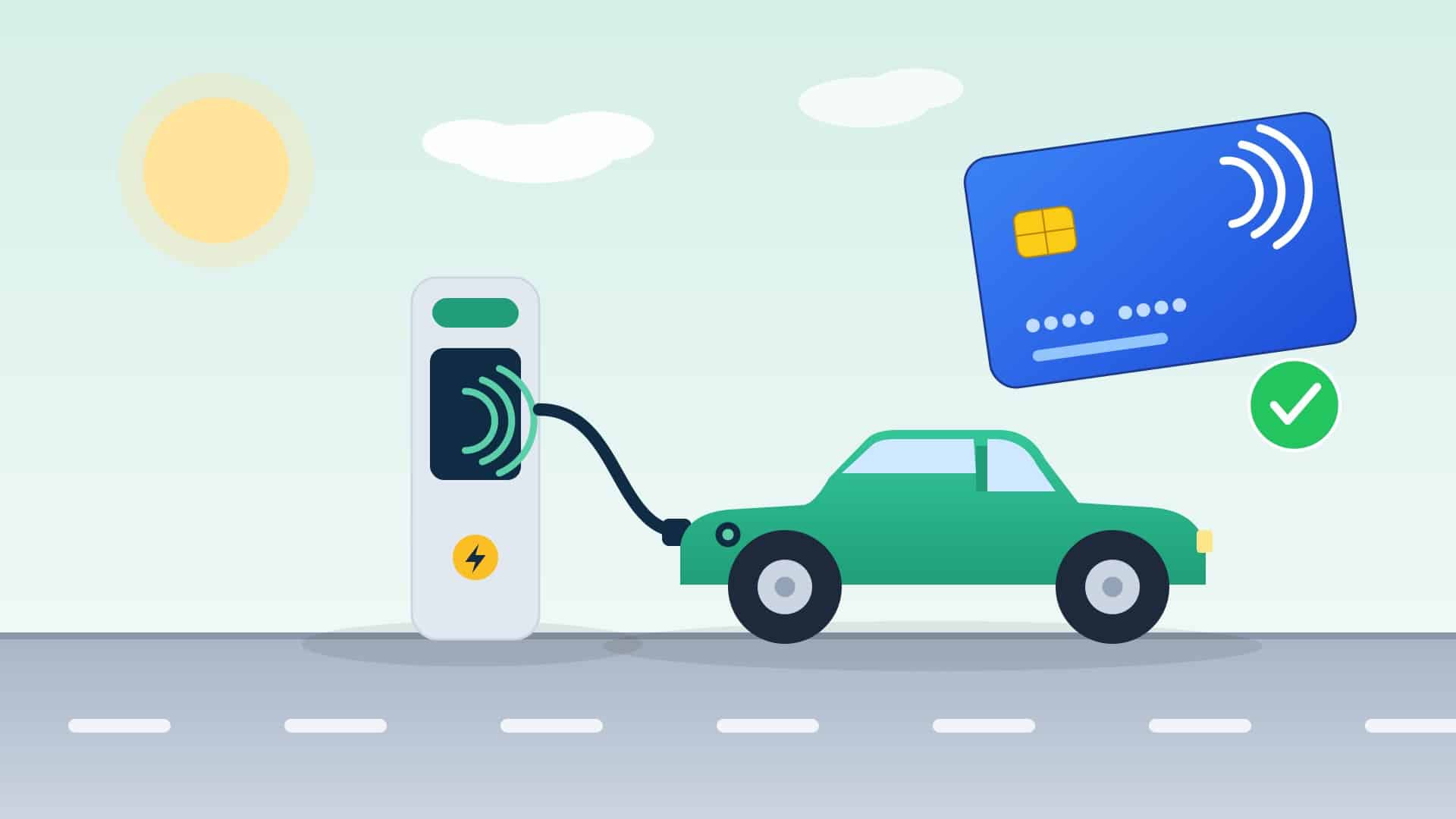
Improving charging experiences begins with reducing friction at the point of payment. Drivers should be able to initiate a contactless payment that works consistently, without needing to download disparate apps or create new accounts each time.
Beyond that, unattended systems need to offer multiple payment options such as QR codes or pay-by-text so if one method fails, another is immediately available as a backup. Charging operators need to provide clear, upfront pricing before payment is made and must have real-time monitoring capabilities to identify and resolve issues as soon as possible.
During the initial EV heyday, charging networks were built rapidly with payments bolted on as an afterthought. Operators must now incorporate more sophisticated and modernized payments technology that can support a wide range of payment methods and push fixes remotely across an entire network without dispatching a technician to every charger.
The road ahead will be defined by experience
EV drivers rightfully want a charging experience that is intuitive, simplified, and consistent. Those that succeed in eliminating unnecessary friction, modernizing payment infrastructure, and making charging as seamless and familiar as stopping at a gas station will have the advantage if and when the EV market regains momentum in the U.S.
BIO

Conn Byrne is Executive Director for Integrated Payments for Payroc, a global payment-processing acquirer and technology platform