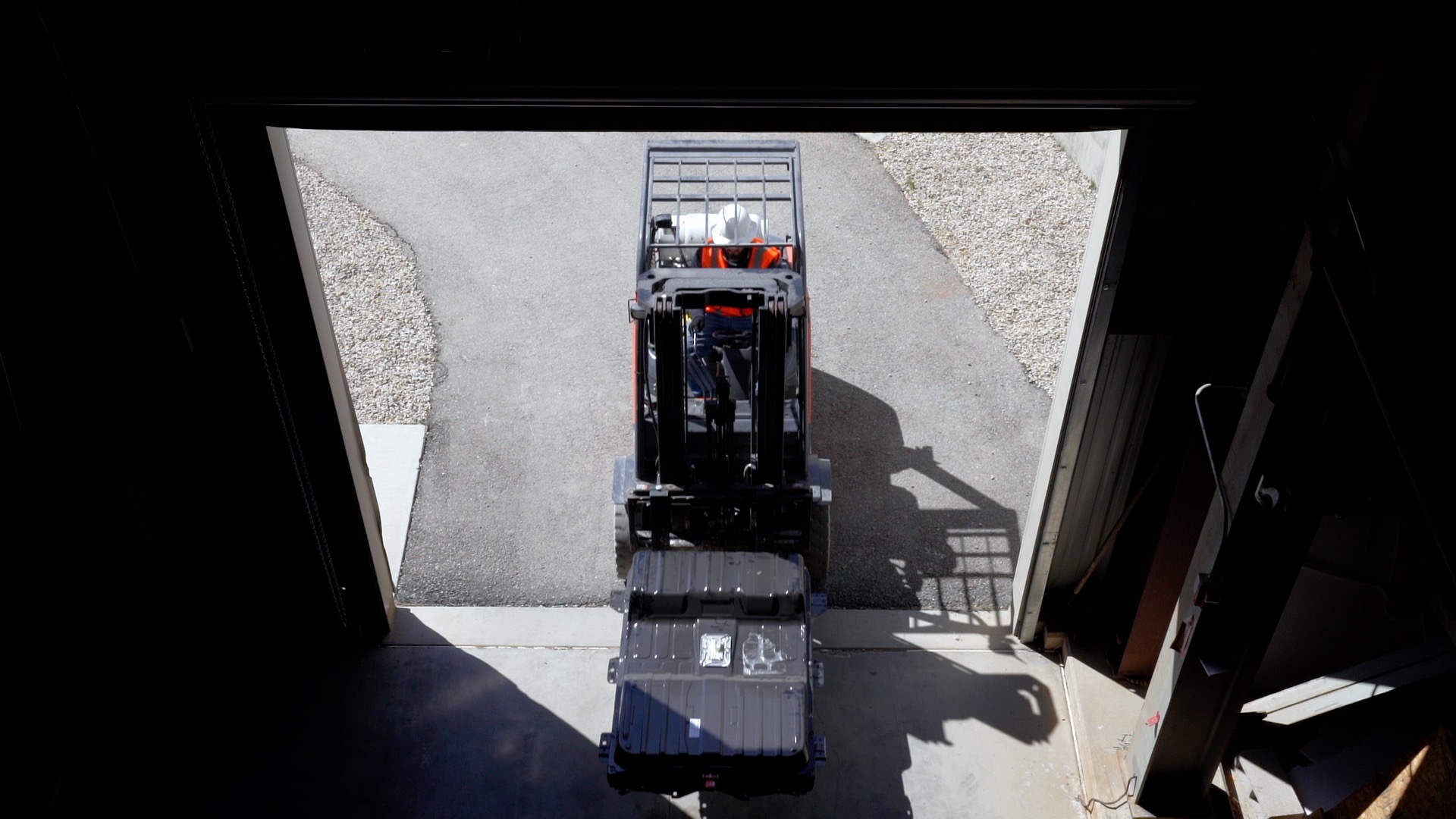
LOS ANGELES, CA — Second-life energy specialist B2U Storage Solutions has announced a landmark strategic supply agreement with autonomous vehicle technology leader Waymo to repurpose retired electric vehicle (EV) batteries from its commercial fleet. Under the new agreement, the retired battery packs will be integrated into stationary battery energy storage systems (BESS) interconnected directly to the electrical grid.
The deployment will target key electricity markets across California and Texas, fortifying the localized power grids where Waymo’s autonomous fleets currently operate. The partnership establishes a scalable, sustainable pipeline intended to transition thousands of retired automotive battery packs into the power sector, mitigating electronic waste and capturing residual value before final recycling.
Maximizing Residual Value via Second-Life Deployment
The collaboration relies on B2U’s proprietary, patent-pending EV Pack Storage (EPS) technology. This specialized integration platform enables used EV batteries to function as safe, high-performing grid-scale storage assets without undergoing cost-prohibitive initial disassembly. By utilizing batteries as affordable, bankable alternatives to systems manufactured from entirely new raw materials, the approach preserves the embedded value of the original manufacturing cycle.
B2U will manage the full operational cycle of the second-life units, monitoring performance and ensuring appropriate recycling protocols are initiated once the battery systems have exhausted their secondary functional lifespan on the grid.
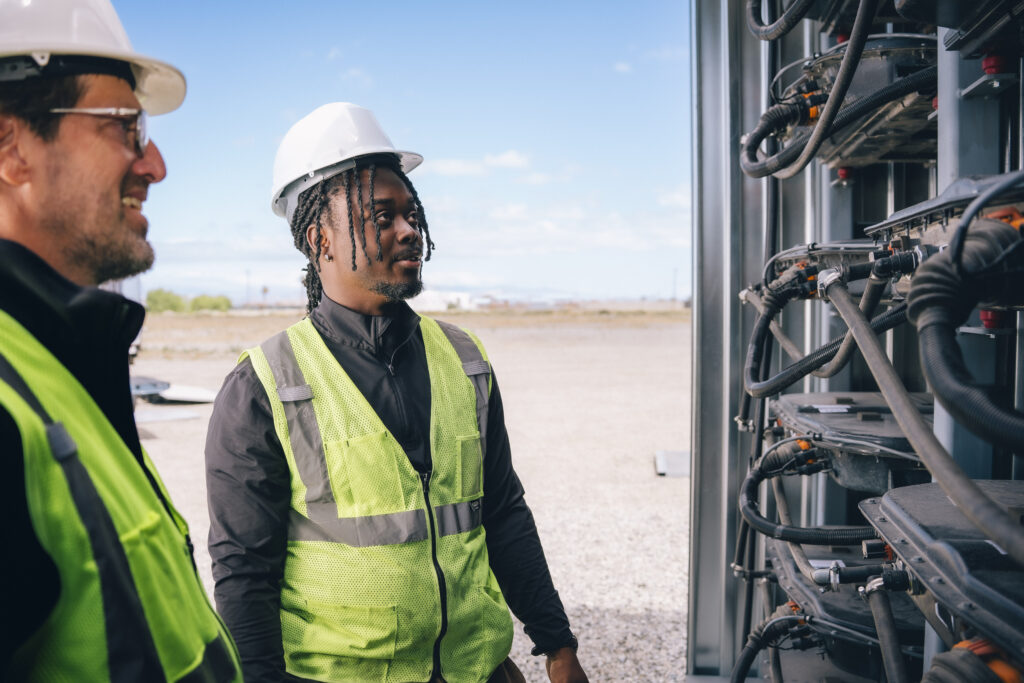
“This agreement marks a significant milestone in B2U’s mission to provide integrated repurposing services to the automotive industry,” said Freeman Hall, CEO of B2U Storage Solutions. “By extending the use of these batteries as grid storage, we are monetizing the full potential of EV batteries, now providing crucial stability to the power grid as energy demand continues to grow.”
Strengthening Regional Power Grids
The stationary repurposing process extends the functional utility of the fleet’s lithium-ion chemistries by several years. Once interconnected, the large-scale storage configurations will perform essential grid balancing services, capturing surplus renewable energy generation during periods of low demand and dispatching power back to local communities during peak stress intervals.
The strategy emphasizes the growing role that automated, shared, and commercial EV fleets can play in standardizing the supply chain for the circular battery economy.
“Our shared fleet of EVs provide a massive opportunity to support the growth of clean energy on the electricity grid while expanding the circular economy,” added Adam Lenz, Head of Sustainability & Environment at Waymo. “Through this partnership, we can repurpose our batteries for local grid storage and ensure our batteries continue to provide economic and environmental value to the community long after they’ve retired from the road.”