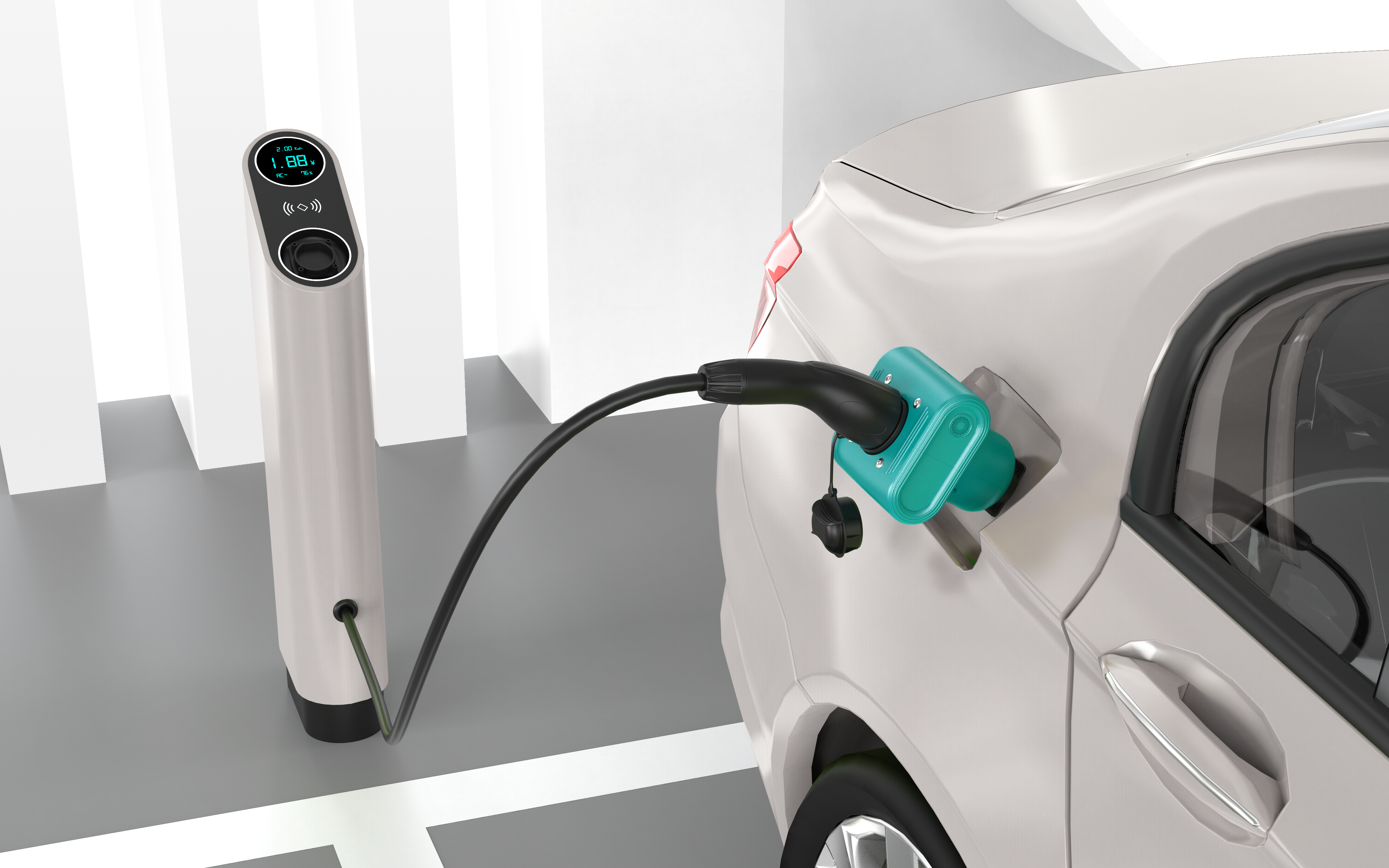
AMSTERDAM, THE NETHERLANDS — inepro Metering has introduced a new generation of validation systems designed to eliminate charging inaccuracies and safeguard operators from compounding financial losses. The company is launching the Tunkia TE1000 and TE1100 portable testing solutions, a compact ecosystem built for rapid on-site verification, traceable calibration, and hardware optimization.
The launch addresses an invisible bottleneck across modern public and private charging networks: undetected measuring deviations ranging from 2% to 5%. In extensive multi-thousand-port networks, these marginal variances can result in millions of euros in lost revenue annually, alongside operational friction, false maintenance dispatches, and heightened compliance liabilities.
The Risk of Undetected Measuring Anomalies
Unlike standard household utility meters for gas or water, EV charging infrastructure measurement modules are frequently not subject to mandatory recurring field inspections or recalibrations. Consequently, precision errors can go completely undetected for years.
When discrepancies occur, they typically manifest on the front end as hardware or communication glitches—such as irregular kWh meter readouts, disjointed session logs, or unexplained billing disputes. Because field technicians often troubleshoot these as connectivity issues rather than checking the physical meter itself, the root measurement error remains uncorrected.
Implementing proactive validation helps shield organizations from these cumulative financial losses and misreported operational data. Furthermore, as strict standards like Germany’s Eichrecht gain wider implementation across Europe, establishing independent, proactive testing allows networks to preemptively meet tightening regulatory accountability.
Cross-Stakeholder Impact of Precise Data
When charging equipment fails to deliver precise energy metrics, the operational and financial impact cascades across the entire eMobility value chain:
- Manufacturers: Marginal calibration errors stall equipment certifications and harm brand reputation in competitive markets.
- Charging Point Operators (CPOs): Real-time charging data inaccuracies result in direct revenue leakage and a breakdown of driver trust when billing data contradicts user expectations.
- Service Providers: Inaccurate measurements frequently trigger phantom error alerts, driving up operational costs via unnecessary or avoidable maintenance visits.
- Fleet Managers: Fleet operations depend entirely on reliable billing inputs to forecast total cost of ownership (TCO) and run smart energy management profiles.
On-Site Verification via the TE1000 & TE1100
The Tunkia TE1000 and TE1100 units act as independent referees directly at the charging terminal, identifying data errors driven by temperature fluctuations, aging internal components, or firmware updates.
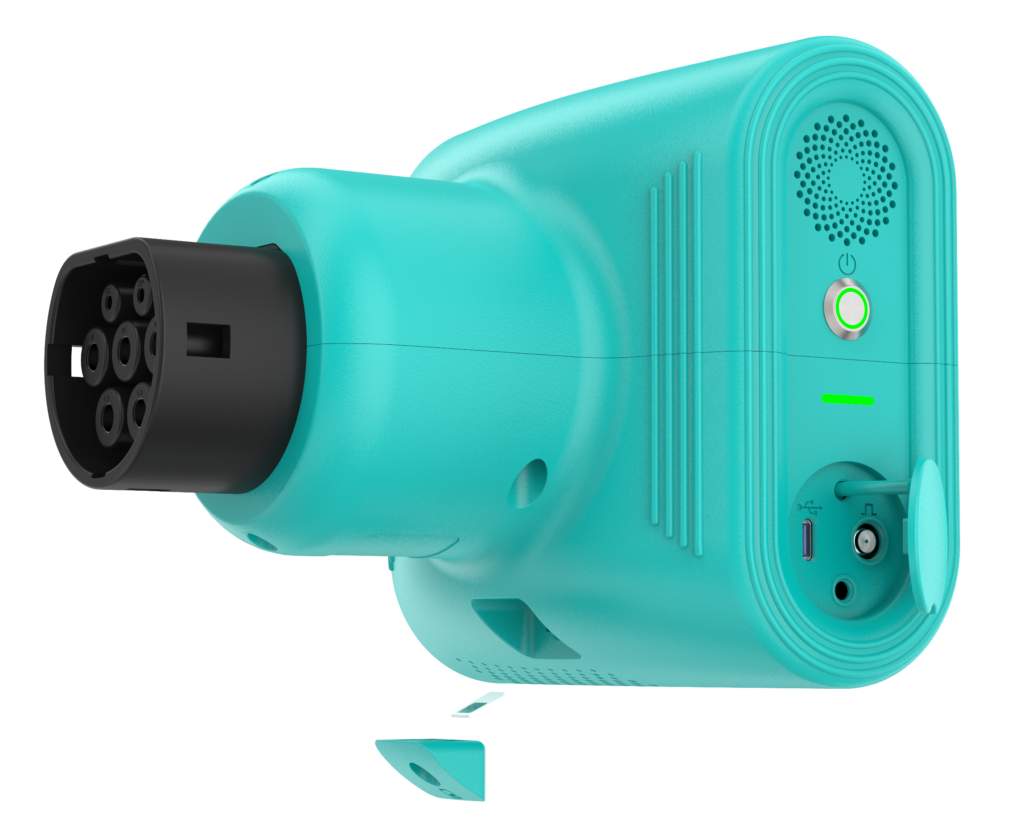
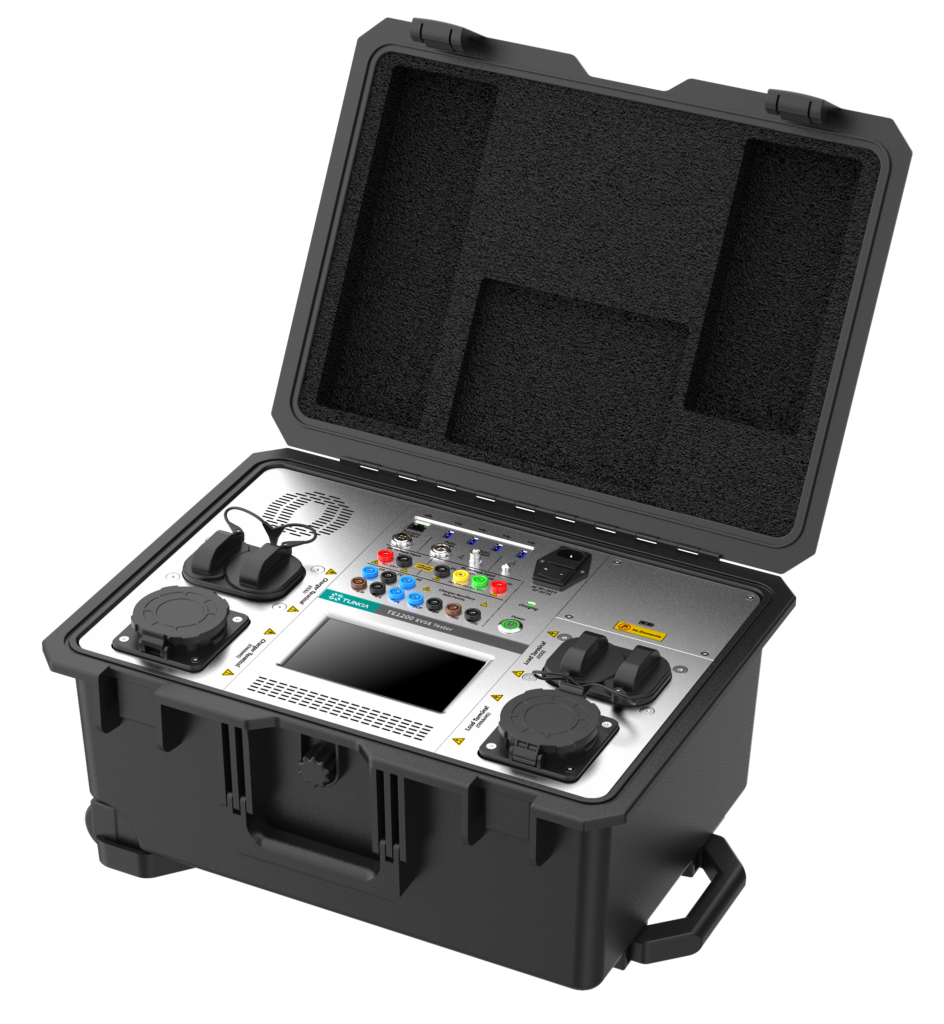
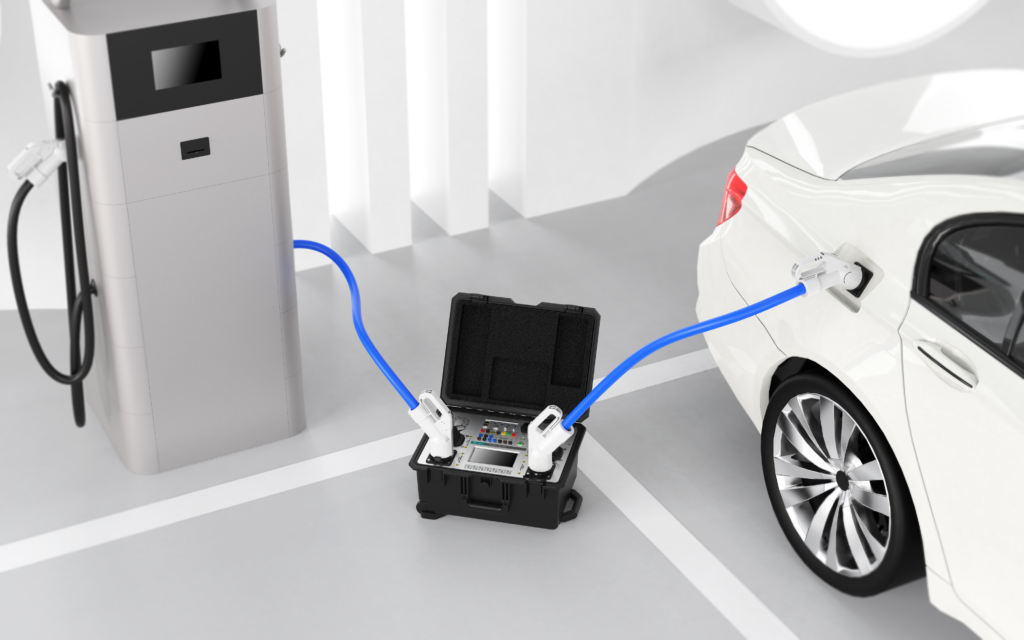
By utilizing these portable units, field technicians can execute complete on-site validation and traceable calibration checks in just a few minutes. The testing solutions generate detailed, independent data reports that act as objective verification records for quality control audits, manufacturer certifications, and compliance tracking—ensuring that every kilowatt-hour delivered matches what is billed.