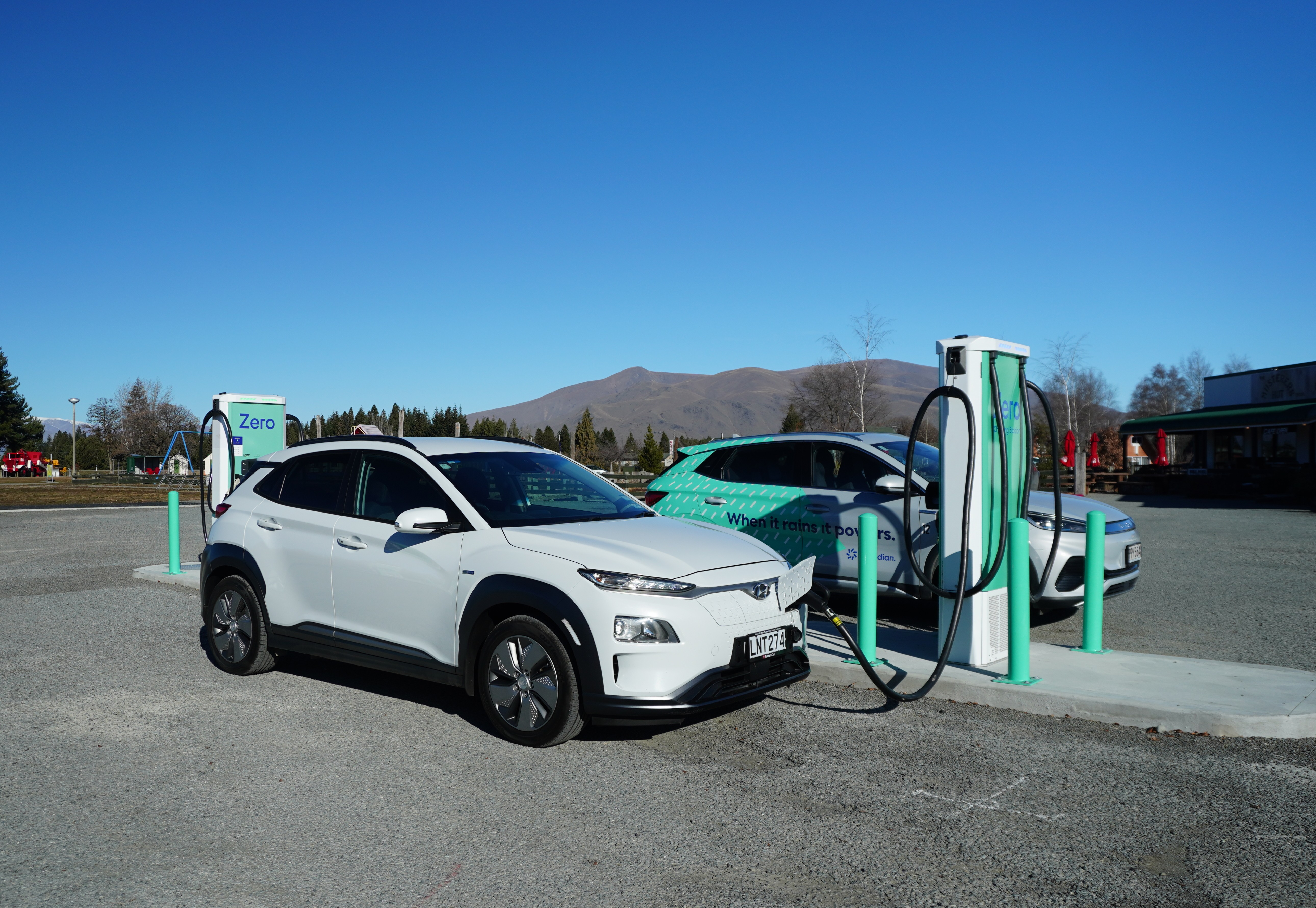
WELLINGTON, New Zealand – Ongoing uncertainty around global fuel supplies has sharpened public awareness of fuel security, increased interest in electric vehicles, and driven a surge in demand for public EV charging across New Zealand. Meridian reports a significant uptick in infrastructure use as the nation embraces a critical shift toward electric mobility.
Over the last month, Meridian has seen a 30% increase in customers actively using its Zero Charging Network and a 20% increase in charging sessions. This growth signals a change in consumer priorities, with the reliability of petrol supply now taking center stage over traditional barriers like charging availability, affordability, and range anxiety.
A Shift in EV Perceptions
The conversation around electric vehicles is beginning to flip. As global fuel markets remain volatile, New Zealand’s renewable energy resources are positioning electricity as a more dependable fuel source.
“The conversation around EVs is beginning to flip. Concerns once centred on charging availability, affordability and range anxiety, but those issues are being addressed and now it’s the reliability of petrol supply that’s being questioned,” says Meridian Principal Product Manager Tim Calder.
He adds: “For a long time, petrol felt predictable and dependable. But New Zealand is blessed with fantastic renewable energy resources – making electricity an abundant fuel for helping people get from A to B. With more chargers than ever before, more range, and much more awareness, many people are now appreciating that an EV may be perfect for their needs.”
Expansion of the Public Charging Network
The national EV charging network is continuing to expand across key travel routes, improving vehicle range and integrating faster charging technology. Meridian confirms that its charging network already includes more than 400 charge points, with plans to roll out another 900 fast‑charge chargepoints over the next three years.
Tim Calder notes: “There are already more than 400 charge points in Meridian’s charging network, and we’re planning for another 900 fast‑charge chargepoints to be rolled out over the next three years.”
This expansion is designed to support more efficient and easier EV journeys, allowing drivers to travel long distances with confidence.
Cost Savings and Total Cost of Ownership
Energy analysts say New Zealand has already crossed an electrification tipping point, where switching to electricity becomes cheaper over the lifetime of a vehicle than continuing with fossil fuels, even when financing costs are included.
“That point was reached well before the start of the fuel crisis, so it’s only added to the attraction of EVs,” says Calder. “For EV owners who do their charging at home, a typical overnight charge costs just a few dollars. Even when road user charges are factored in, EVs are significantly cheaper to run than petrol vehicles for most drivers, alongside lower servicing and maintenance costs.”
Calder also emphasizes affordability: “We know a new EV may be beyond the means of many people, but there are lots of affordable options out there in the market. Just like petrol or diesel vehicles, there are plenty of second‑hand options to suit different budgets. EVs are better for your wallet, better for the environment, better performance and better for fuel security. It’s a win on every front.”
Final Outlook
With the public charging network continuing to expand across key travel routes, improving vehicle range, and integrating faster charging technology, drivers are increasingly confident that their EV journeys will be efficient and easy.